Category: Sydney McCrone

  • How Infographics Can Help You Cook Sustainably

    How Infographics Can Help You Cook Sustainably

    What differentiates a good infographic from a great infographic? Visuals? Data? Readability? 

    The key to building a memorable and effective infographic is balancing these components. 

    Infographics are used in a myriad of ways, educating and persuading audiences. Their purpose is to present data or complex information in a way that is easy for readers to understand. 

    To tie in my blog’s themes, I’ve found a few infographics promoting sustainable practices and providing helpful tips and tricks for people learning how to cook. I will provide an analysis to showcase what they did well and suggest areas where they could improve. My analysis will cover several important components. These include visual hierarchy and organization, color choices, typography and readability, balance of text and visuals, and how well they tell a story with data. 
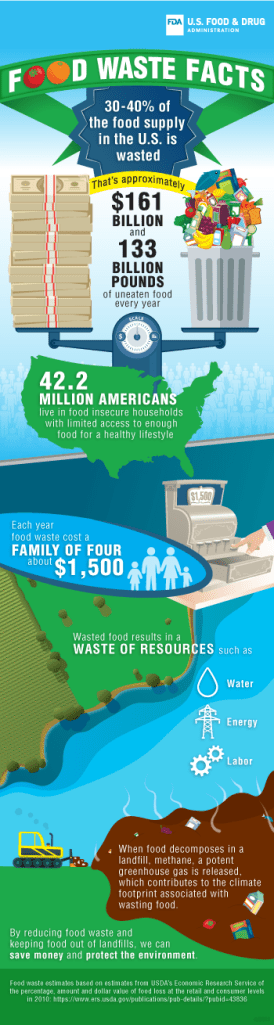
    Infographic by U.S. Food and Drug Administration
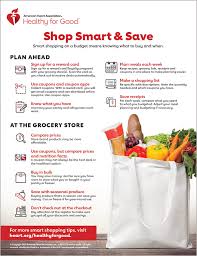
    Infographic by American Heart Association

    Let’s start by discussing visual hierarchy and organization. The visuals in the first infographic, “Food Waste Facts,” are eye-catching and directly related to the information and data presented. The scale balancing the cash and the garbage can shows the correlation between wasted money and wasted food each year. Directly below, there is another visual stating how many Americans live in food-insecure households with limited access to healthy foods. This organization between the visuals is effective because it draws attention to the data and connects the dots for the reader to help them understand why food waste is such a big problem. Although the visuals are attention-grabbing, they should be spaced more evenly and less condensed at the top. 

    In the second infographic, “Shop Smart & Save,” the visuals are strategic and used as bullet points. This emphasizes each tip and creates an organized layout. The layout feels balanced; there is one large visual and several smaller supporting visuals. If I were making an infographic, I would include one main visual and a few smaller ones connected to my data and information. 

    Color makes everything more interesting. A black-and-white infographic would not be effective. Color reflects certain themes and moods, and separates one part of text from another. In the first infographic, white is used for all text, creating consistency across texts. Additionally, white stands out more on this infographic because it doesn’t blend in with the rest of the darker colors. The overall color palette includes earthy tones such as blue and green, which are symbolic of the planet. In the second infographic, the use of red serves several purposes. First, it separates the main text from the supporting text. Second, the color red connects with the American Heart Association (AHA), since the color is symbolic of hearts. 

    Typography is another key element of an infographic. These infographics use typography to separate one idea from the next. Both examples have portions of their text in bold, which enhances clarity and readability. One suggestion for the first infographic is to increase the font size of their call-to-action (CTA.) Their CTA is located at the bottom of the infographic and is a much smaller text size than their data and information at the top. The CTA should get just as much room as the supporting data points. The second infographic does a good job of increasing the font sizes and bolding points throughout, promoting overall readability. 

    As I mentioned, finding the balance between text and visuals separates a good infographic from a great one. This balance is important because it ensures your reader is not overwhelmed or underwhelmed with information. The first infographic does a good job connecting each data point with a visual and doesn’t add any unnecessary elements. Additionally, the background of land and water creates a nice foundation for the text and allows it to stand out. The second infographic has a lot of text, but it doesn’t feel overwhelming because they balanced it with a large image that takes up a quarter of the page. 

    Lastly, data. Data is important for several reasons. The first reason is that it adds credibility to your argument. If you don’t have data to support your statement, people are less likely to take away information or feel motivated to do something. The first infographic included data that supported the call to action. This is the part where the second infographic missed the mark. They should have included data that supports their argument to shop smart and save. My suggestion would be to include data that discusses issues with food waste, or how much the average person saves by using coupons, etc. This would have a bigger influence on the reader and their motivation to create a budget when shopping. 

    Although each infographic has some areas to improve, their overall design is effective and communicates clearly to their target audiences. Through visuals, organization, color, typography, and data, these infographics contribute professional content that inspires action from readers. 

    To learn more about infographics and how to use them, check out these articles:

    https://www.searchenginejournal.com/infographic-benefits/267781/

    https://designlab.wisc.edu/resources/projects/infographics-and-data-viz/
  • 5 Must-Buy Trader Joe’s Items

    5 Must-Buy Trader Joe’s Items

    Logo by Trader Joe’s

    As exam season approaches, students are spending more time in the library, and less time in the kitchen. During these hectic weeks, Trader Joe’s becomes my best friend. 

    Trader Joe’s is best known for their viral, fan-favorite snacks. The Chili Lime Rolled Tortilla Chips, Dark Chocolate Peanut Butter Cups, etc. These items are perfect for a mid-study treat but don’t replace a full meal. 

    Here are 5 must-buy Trader Joe’s items that are great for healthy meal preps and quick dinners:

    1. Chicken Meatballs: Seasoned, fully cooked, and ready to eat. These chicken meatballs are full of flavor, featuring herbs like oregano, basil, and black pepper. Whether you’re adding them to pasta, stirring them in soup, or enjoying them on their own, these meatballs serve as an excellent source of protein. 
    1. Organic Baked Tofu Teriyaki Flavor: Even if you’re not a vegetarian, you’ll love this Tofu. This Teriyaki Tofu requires no cooking and is ready to eat right out of the package. Tofu contains high amounts of protein and essential nutrients such as magnesium and calcium. Pairing this with your favorite vegetables and carbs creates a well-balanced and filling meal. 
    1. Turkey Burgers: Whenever I see this item while browsing the frozen aisle, I can’t resist buying a couple of boxes. These patties are ready within minutes, making them an easy addition to any meal. My favorite way to eat these is by crumbling them up and making a taco salad with fresh vegetables and rice or placing them between my favorite bread and building a turkey caprese sandwich. 
    1. Mashed Potatoes: Trader Joe’s describes them as “Creamy, buttery, heavenly potatoes.” After trying them, I agree they’re pretty heavenly. They’re also incredibly easy to make. These are another frozen favorite of mine. Just add your desired amount to a dish and cook for the recommended time. If you’re shopping during the fall and winter, you can also find mashed sweet potatoes. 
    1. Garlic Shiitake Green Beans: When I first bought these, I wasn’t sure I was going to like them. Sometimes, garlic can be too overpowering or salty. I was wrong. This frozen item goes with a variety of proteins and sides, with the sauce adding flavor to the rest of your plate. 

    The next time you’re visiting Trader Joe’s, check out these items. They’ll make your life and your studying a lot easier. Don’t forget to leave a little room in your cart for those delicious snacks and sweets!

  • 6 Simple and Seasonal Side Dishes

    6 Simple and Seasonal Side Dishes

    There are two elements to consider while crafting a dish: your main and sides. An elegant side can spice up a straightforward meal and elevate your plate. Cooking with seasonal ingredients is an easy and affordable way for college students to upgrade their everyday meals. 

    Why Seasonal? 

    Choosing seasonal ingredients ensures you get rich flavors and nutrients from your produce. Seasonal foods also have the most health benefits because they are picked fresh and have enough time to ripen naturally. Including more of these foods will add a variety of vitamins, minerals, and antioxidants to your diet. 

    Shopping seasonally is also budget-friendly and sustainable. In season items are typically sold at a lower price because there is a larger supply, and they are less likely to be transported long distances. Buying local and available ingredients helps reduce the environmental impacts associated with shipping. 

    Side Dish Ideas

    Eating well in college doesn’t have to include expensive groceries or hours of your time. These easy and delicious side dishes to make during the winter season: 

    1. Roasted Sweet Potatoes: Every meal should include healthy carbohydrates. Sweet potatoes are packed with vitamins and nutrients, contributing to overall health. They’re also a great source of fiber, which helps you stay full and energized throughout the day. Roasted sweet potatoes require minimal preparation, and you can throw them in the oven while you continue studying for your exams. Begin by chopping them up and spreading them evenly across a baking sheet. Then, drizzle them with a bit of olive oil (not too much, but just enough to add some crispiness while they roast.) Ground on a pinch salt and pepper, and gently toss them together before throwing them in the oven. If you’re feeling extra fancy, add chopped onion or garlic to your pan, or sprinkle on some rosemary. Here are a few different recipes to add to your meal rotation: 
    1. Sauteed Squash: Sauteing squash is one of the easiest ways to add some veggies to your plate. When I’m feeling lazy, I slice up 1-2 squashes and throw them in a pan with a little bit of garlic and olive oil. These take roughly 10 minutes to cook and pair well with almost any meal. A few tips: 1) cook them on medium heat so you don’t burn the garlic, and 2) cut them into thinner slices so they’re read faster. This works for any kind of squash in season, making them a staple year-round. I’ve included a few of my favorite seasonal recipes below: 
    1. Sweet & Savory Carrots: When you think of carrots, you probably envision the typical orange vegetable with a string of leaves attached to the top. However, carrots come in various colors, including purple, white, yellow, and red. One of my favorite ways to add more color to my diet is by dicing up a few different kinds of carrots and roasting them in the oven. Just like my favorite sweet potato recipe, you can roast these in the oven with a little bit of oil and salt and pepper or switch things up and cook them with a bit of honey for a sweeter taste. I recommend trying a few different styles to find your preferences:  
    1. Air-Fryer Cauliflower: Before college, I had never used an air fryer before. After hearing my friends continuously praise this appliance, I had to get one for myself. Now, I use it nearly every day. If you’re unable to roast your vegetables, air frying is a quick and easy replacement. I found my go-to recipe from allrecipes, and it only requires five ingredients! Add salt, smoked paprika, garlic, and peanut oil (I prefer olive oil, but you can use what you like) to a bowl, and toss in your cauliflower. Mix it together and add it to the Air-Fryer, cooking it to your preferred crispiness. I’ve included the recipe and a few others below: 
    1. Roasted Brussels Sprouts: This may be a controversial food take, but I love Brussels sprouts. They’re known to have a bad rap, but I think they’re overlooked. These vegetables are high in fiber and contain antioxidants that help reduce inflammation. I roast mine with olive oil, salt, pepper, and a bit of lemon juice for a fresher flavor. Then, I shave some fresh parmesan on top to add a crispier texture. If you prefer a more plain flavor, omit the parmesan and lemon juice and serve alongside your favorite meal. Here are a few recipes for inspiration: 
    1. Kale Salad: As much as I love a warm, home-cooked vegetable, sometimes I crave something lighter. Kale salad requires no cooking, and you can add your favorite salad toppings for extra nutrients. During the winter, I love to add shredded carrots, cranberries, and toasted almonds tossed with a balsamic dressing. Kale is also great on its own with a drizzle of oil and a few seasonings. These are a few different recipes to fit your tastes: 

    These simple yet sophisticated sides will make you feel like a pro in the kitchen. Whether you’re cooking for yourself or a crowd, these tasty recipes are sure to impress! 

  • Staying Full and Focused: 5 Quick & Easy Breakfast Ideas

    Staying Full and Focused: 5 Quick & Easy Breakfast Ideas

    Running out the door on an empty stomach is a common theme among college students. With early lectures and busy schedules, all thoughts of breakfast may be tossed aside. Preparing breakfast ahead can help you make the most of your mornings. 

    The Benefits of Breakfast 

    There’s a reason people say, “Breakfast is the most important meal of the day.” Studies have shown that eating breakfast boosts your energy levels, improving memory and concentration throughout the day. Starting the day with a healthy, nutritious meal can enhance college student’s ability to pay attention in class and aid their academic performance. 

    Elements of Hearty Breakfast 

    While constructing your morning meal, there are a few food groups you should prioritize: 

    • Protein: Protein is an important part of our diet, regulating our hormones and stabilizing our blood sugar levels. It also boosts our metabolism, aiding digestion and boosting our energy. For students with back-to-back classes, beginning the day with a high protein meal will help keep you full for longer. 
    • Fiber: Similar to protein, fiber helps manage our blood sugar levels, supports digestion, and helps us feel full for longer. Fiber is also essential for gut health, promoting good bacteria and supporting our immune systems. Fiber can be found in many fruits and vegetables, whole grains, nuts, and legumes. 
    • Fruits/Vegetables: Eating a variety of fruits and vegetables is essential to a healthy diet. Fruits and vegetables contain a number of vitamins, minerals, and antioxidants, helping us fight off inflammation and reducing our risk of disease. Fruits and vegetables are also a great source of fiber. Choosing fresh and frozen options will ensure you get the best flavors and nutrients. 
    • Healthy Fats: Incorporating healthy fats into our breakfasts supports brain function, and improves our bone and heart health. Additionally, they help us absorb certain vitamins that can only be absorbed with the help of fats. Examples of healthy fats include avocado, pumpkin, and sunflower seeds, and nuts such as walnuts, almonds, and pecans. 

    Five Ideas to Make-Ahead 

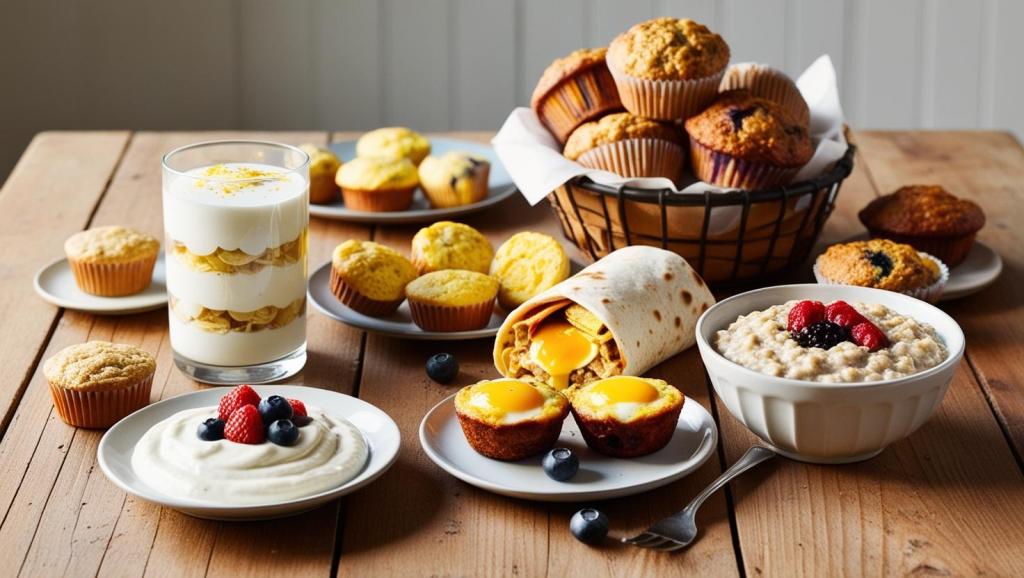
    1. Overnight Oats: If you’re anything like me, the overnight oats trend has taken over your social media feed. On TikTok, Instagram, and Pinterest, I encounter new recipes almost every day. Overnight oats are easy to prepare, and they’re a great way to include all four essential breakfast elements. In my recipe, I use oats, chia seeds, greek yogurt, and milk. If you’re dairy-free, you can swap out the Greek yogurt and milk with protein powder and your favorite non-dairy alternative. For some added nutrients, I like to top mine with berries and peanut butter. 
    1. Yogurt-Parfaits: Much like overnight oats, my social media feed is dominated by the yogurt bowl trend. Yogurt parfaits take only a few minutes to prepare, making them a great option to throw together in the morning. Requiring minimal ingredients, you’ll need yogurt, fruit, and granola. I like to use Greek yogurt or skyr because they are high in protein, keeping me full for longer. I begin by scooping a bit of my yogurt into a mason jar and then adding a layer of berries, repeating until I fill the glass. I top mine with more fruit and my favorite granola (Trader Joe’s Peanut Butter pea protein granola). Depending on your preferences, you can also garnish your parfait with nuts, chia, seeds, honey, or whatever else you like. 
    2. Protein Muffins: Who doesn’t like to start their morning with a healthy sweet treat? If you are crunched for time, protein muffins are a life-saver. I make mine at the beginning of the week and store them in an air-tight container to keep them fresh. You can also store them in the freezer if you’re not going to eat them right away. Protein muffins require few ingredients, and you can easily add in your favorite fruits and veggies. The protein and healthy fats come from protein powder, eggs, and milk. To get some added fiber, you can add oats, pumpkin seeds, or nuts.
    3. Egg Bites: If you prefer a more savory option, egg bites are the way to go. For veggies, I like to add spinach, tomatoes, bell peppers, and onions. If you’re looking for some extra protein and flavor, I recommend adding bacon or sausage and a sprinkle of cheddar cheese. For a more satiating effect, consider dicing up some potatoes and tossing in some extra herbs or spices. I cook mine in a muffin tin to creates bite-size pieces that are easy to eat while getting ready. This breakfast is packed with the necessary protein and nutrients students need. 
    4. Breakfast Burritos: Initially, I thought making breakfast burritos would require too much effort. However, breakfast burritos are a budget-friendly option to take on-the-go. I like to scramble my eggs with cheese, veggies, and sausage, wrapping them up in a tortilla and tossing them in the freezer. If you’re vegetarian, I recommend substituting black beans for sausage. Breakfast burritos cover all the elements of a healthy breakfast and are easily customizable so you can mix and match your favorite fillings and toppings. 

    Breakfast doesn’t have to be stressful. Make your mornings smoother and try out these simple ideas! 

    Check out these articles to learn more about the different food groups and their benefits:

  • FOOD For Lane County: Feeding students, fighting insecurity

    FOOD For Lane County: Feeding students, fighting insecurity

    In 2020, 3.8 million college students experienced food insecurity. According to the U.S. Government Accountability Office, a majority of these students reported skipping meals or eating less because they couldn’t afford food. 

    Food insecurity is a growing issue among college students. As the cost of higher education increases, the amount of students with access to affordable and quality food decreases. Food insecurity affects students in a multitude of ways, impacting their academics and overall health. 

    Colleges can combat these issues by establishing programs that make healthy foods accessible on campus. At the University of Oregon, FOOD For Lane County provides several resources to reduce the likelihood of students facing food insecurity. 

    FOOD For Lane County (FFLC) is a local nonprofit whose mission is to “reduce hunger by engaging our community to create access to food.” Founded in 1984, FFLC distributes food across a network of more than 150 agencies and distribution sites. Through public awareness, education, and community advocacy, their programs are designed to serve a supply of nutritious foods to low-income individuals. 

    Logo by FOOD For Lane County

    On the University of Oregon campus, FFLC contributes to a number of programs including, the Student Food Pantry, Produce Drop, and Duck Nest cooking classes. 

    • Student Food Pantry: Along with the Basic Needs Program and Episcopal Campus Ministries, FFLC provides free supplemental food for college students. 
    • Produce Drop: In partnership with Trillium Produce Plus, FFLC gives fresh produce to the UO Student Sustainability Center to distribute to students who self-identify as living at or below 200 percent of the Federal poverty level. FFLC also has additional public sites in and around the Eugene area. 
    • Cooking classes: FFLC’s Nutrition Education Program partners with Duck Nest, an on-campus well-being resource, to teach students how to cook healthy and affordable meals. They also provide tips on how to stretch limited food budgets through shopping and meal planning. 

    FFLC’s communication and social media strategies are a key factor in their successful community engagement and outreach. On their website’s homepage, they have several ways for their audience to connect with their programs, including contact and volunteer pages, a form to sign up for their newsletter, and links to their social media accounts. 

    The social media accounts they utilize are Instagram, Facebook, and LinkedIn. On Instagram and Facebook, they post regularly, promoting events and fundraisers, and encouraging community members to get involved. Their text is broken into short paragraphs and sentences, making information easily digestible for the audience. Their active presence on their social media platforms is a great way for community members to engage and share their content. 

    I also noticed a large number of the University of Oregon’s clubs and organizations follow the FFLC Instagram account. This shows how their communication strategies are strategic and effective. 

    Moving forward, I think FFLC should partner with University of Oregon’s social media accounts to share more information about the ways that they help students experiencing food insecurity. By partnering with the school’s accounts, they will reach a wider audience of students and families who can participate and benefit from these programs. 

    FFLC has demonstrated how the implementation of strong communication and local programs can positively impact a community. Colleges across the country should take inspiration, and build on-campus resources to reduce food insecurity among students. 

    Check out these links to read more about FFLC’s mission, and its partnership with the University of Oregon:

    To read more about food insecurity and its effects, read these articles below: 

  • Mastering the Market

    Mastering the Market

    To cook like a pro, you must first shop like a pro. 

    At first, I hated grocery shopping. The store would be packed, I was crunched for time, and I didn’t know what to buy. Now, it’s an exciting part of my weekly routine. My relationship with grocery shopping changed when I learned one simple thing: how to plan.

    Why Plan Ahead: 

    Shopping with intention helps you save time, money, and energy. Before going to the store, decide what meals you will make throughout the week, and write down a list of ingredients you will need. This prevents you from buying unnecessary items and makes your shopping experience less stressful. 

    What to Put on Your List: 

    To prep for balanced and healthy meals, I recommend breaking your list up into four categories:

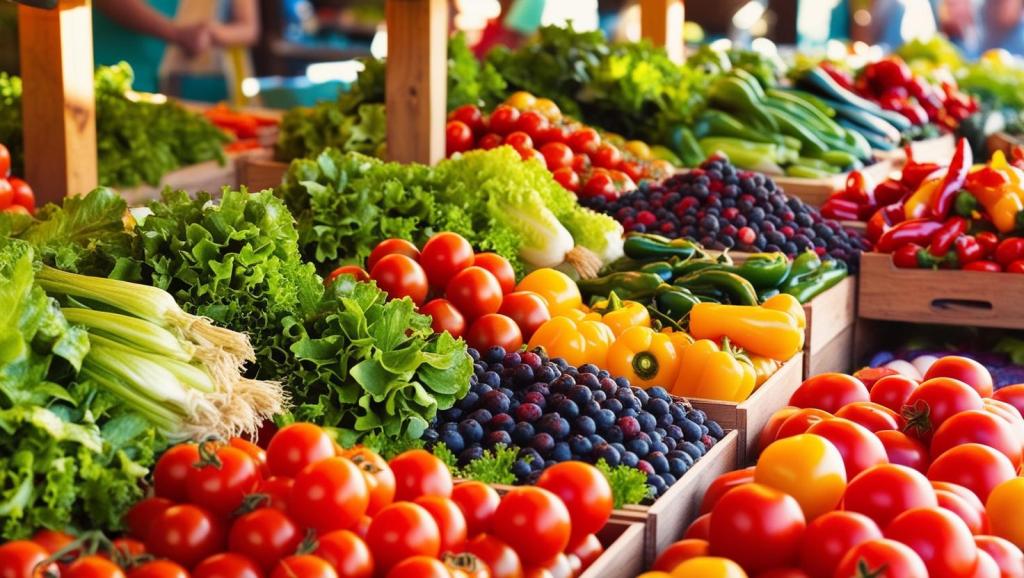
    • Fruits: Fruits are full of vitamins and minerals, providing your body with essential nutrients that boost your overall health. They’re also a great source of fiber, which promotes digestion and improves gut health. Buying frozen or in-season is a great way to ensure you get the most flavorful and budget-friendly options. I buy 2-3 different kinds and add them to yogurt bowls, toast, and smoothies. Some of my favorite options that are in season include bananas, pears, and citrus fruits. 
    • Vegetables: Much like fruit, vegetables are packed with fiber and nutrients such as vitamins A and C, potassium, calcium, and iron. A diet rich in vegetables can help lower blood pressure, improve cardiovascular health, and reduce the risk of certain cancers. Vegetables are a great addition to any meal, and they help keep you full for longer. I like to roast mine and store them in the fridge, adding them to my lunch and dinner throughout the week. 
    • Protein: Protein is an important part of our diet for a number of reasons. It helps us grow and maintain muscle mass, promotes bone health, boosts immune functions, and regulates our hormones. Protein can be found in plant and animal sources, including meat, dairy, soy, nuts, grains, and beans. I try to pick three protein sources that I can use in various recipes throughout the week. My staple items include eggs, greek yogurt, chicken, and ground beef. 
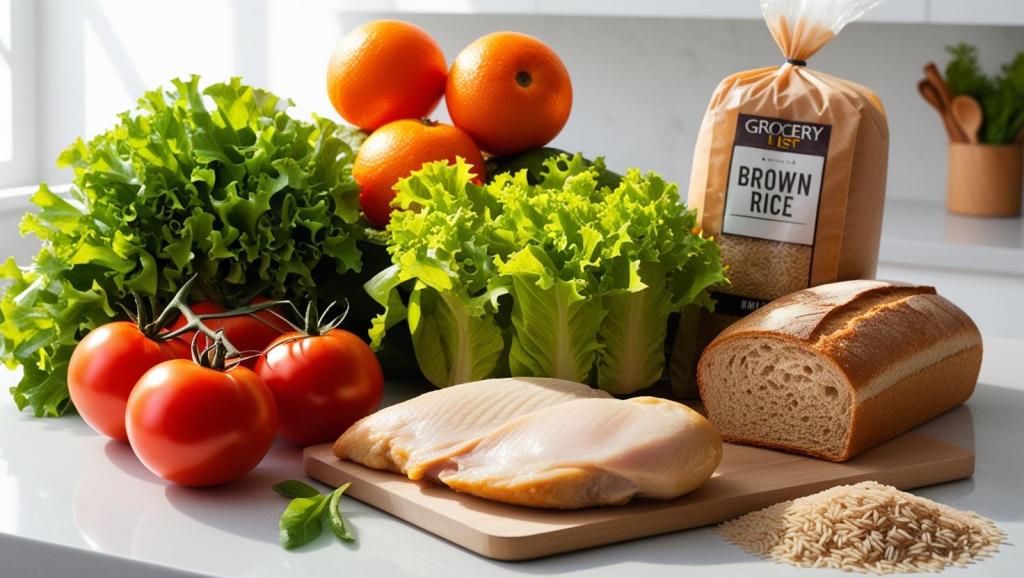
    • Starch/Carbohydrates: Carbs are our body’s primary energy source, fueling our brain, heart muscles, kidneys, and central nervous system. While carbs can be found in a lot of different foods, complex carbs are the most beneficial to our health. The best sources include whole grains, rice, potatoes, pasta, and bread. 

    Planning ahead has not only saved me a lot of time and money, but it has allowed me to become more creative with my meals. By choosing versatile and quality ingredients, I have found new ways to prepare my favorite foods. Before your next trip to the store, take a moment to think about some of your favorite meals and identify the most common ingredients involved in them. Once you narrow down all the items you need, make your list, go shopping, and get cooking! 

    If you’re looking for more inspiration for your next shopping trip, check out these articles:

  • Campus Cooking: Your go-to guide

    Campus Cooking: Your go-to guide

    What comes to mind when you think of the typical college student dinner? Ramen noodles? Mac and Cheese? The viral Trader Joe’s soup dumplings? 

    For some, these are staple meals. They’re quick, easy, and affordable. After a long day balancing homework, classes, and extracurriculars, the last thing a busy student wants to worry about is what to make for dinner. 

    For others, cooking is something to look forward to. It can be a source of creativity, a time to catch up with roommates, or a great way to relax and enjoy a home-cooked meal. 

    As someone who spends their free time scrolling Pinterest for new recipes and re-watching every season of The Bear, I can easily say that I am one of the students who look forward to cooking. 

    While it may feel like a chore for some, this blog aims to relieve the stress associated with cooking and turn it into an exciting part of your daily routine. From meal preps to budget-friendly ideas, I will inspire you to make food you love. 

    I spent a lot of time in the kitchen during my childhood. As soon as I could reach the stove, I learned how to simmer, sear and saute. Although I am no Gordon Ramsay, I have learned a few tips and tricks that have elevated my everyday meals. 

    Growing up, my family took cooking very seriously. It was a bonding activity, a way to spend time surrounded by loved ones. It was also a way to create comfort. After all, who doesn’t love to cozy up to their favorite foods with some good company?  

    I believe that food tells a story. As an aspiring communications and public relations professional, storytelling is the heart of my work. I strive to create content that is focused on authenticity and engagement. I will approach this blog like any other PR project and conduct research, share relevant news, and write articles that make cooking more accessible for students. I will also share content related to sustainability in cooking. I will promote brands, organizations, and practices that are focused on sustainability and ethical practices within the food industry. By researching ways to be more sustainable in the groceries we buy and the way we cook, we can create positive change within the food industry. 

    Whether you’re a college student who’s new to cooking, trying to shop on a budget or a fellow PR student, this is the space for you.

    Read more about sustainability in the food industry: https://www.forbes.com/sites/sofiaperez/2024/07/22/sustainable-food-and-drink-products-that-taste-good-and-do-right/